

Gutter Issues Explained: Identifying and Solving Common Gutter Problems
When it comes to protecting your home, gutters play a crucial role. They channel rainwater away from your roof and foundation, preventing damage and costly repairs. But gutters can develop issues over time, especially in regions like Eastern Washington and Northern Idaho where weather can be unpredictable. I want to help you spot these problems early and fix them before they cause serious trouble.
Understanding Gutter Issues Explained
Gutters might seem simple, but they face a lot of wear and tear. Leaves, twigs, and debris can clog them. Ice can form in winter, causing cracks or breaks. Even the way gutters are installed can affect how well they work. Knowing what to look for is the first step in keeping your gutters in top shape.
Here are some common signs that your gutters need attention:
Sagging or pulling away from the house: This usually means the hangers or brackets are loose or damaged.
Water pooling around the foundation: If water isn’t draining properly, it can cause foundation problems.
Visible cracks or holes: These let water leak out and can lead to wood rot or mold.
Overflowing gutters during rain: This often points to clogs or improper slope.
Peeling paint or water stains on walls: These are signs of water damage caused by gutter leaks.
By regularly inspecting your gutters, you can catch these issues early. Use a sturdy ladder and check for debris, loose parts, and signs of wear. If you’re uncomfortable doing this yourself, consider hiring a professional.
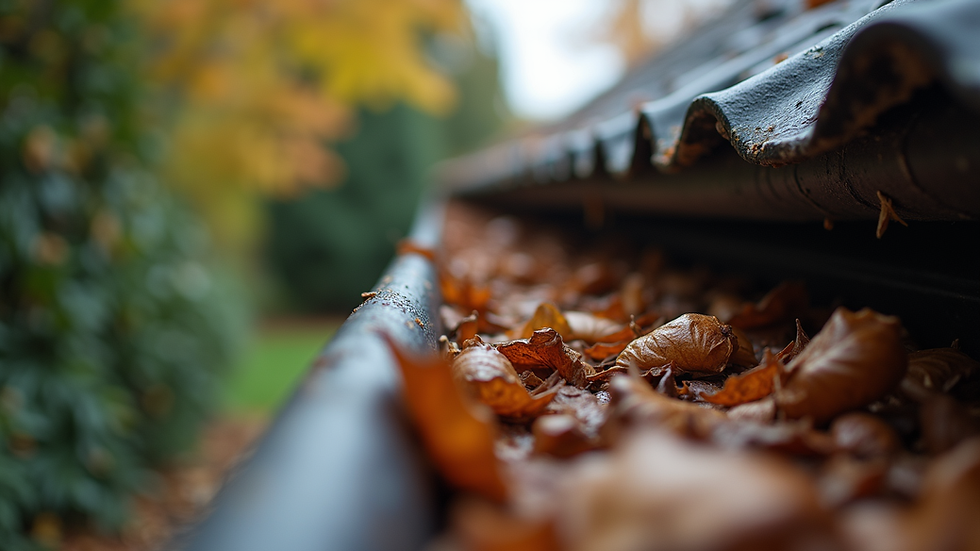
Is it normal for gutters to overflow in heavy rain?
It’s common to wonder if gutters overflowing during a heavy downpour is normal. The short answer is no - gutters should handle rainwater without spilling over. If your gutters overflow, it usually means there’s a problem.
Overflowing gutters can be caused by:
Clogged downspouts or gutters: Leaves and debris block water flow.
Improper gutter slope: Water doesn’t flow toward the downspouts efficiently.
Undersized gutters: They can’t handle the volume of water during heavy rain.
Damaged or disconnected downspouts: Water can’t be directed away from your home.
When gutters overflow, water can damage your siding, foundation, and landscaping. It can also cause basement flooding. To fix this, start by cleaning your gutters and downspouts thoroughly. Check the slope and adjust if needed. If your gutters are too small, upgrading to a larger size might be necessary.
Regular maintenance before the rainy season is key. Installing gutter guards can also help reduce debris buildup and keep water flowing smoothly.

How to Fix Common Gutter Problems
Once you identify the issue, fixing gutters can be straightforward. Here are some practical solutions for typical problems:
Cleaning and clearing debris
Remove leaves, twigs, and dirt from gutters and downspouts. Use a scoop or garden trowel and flush with water to ensure clear flow.
Repairing leaks and holes
Use gutter sealant or patch kits to fix small holes. For larger damage, replacing sections might be necessary.
Reattaching loose gutters
Tighten or replace hangers and brackets. Make sure gutters are securely fastened to the fascia board.
Adjusting gutter slope
Gutters should slope about 1/4 inch for every 10 feet toward the downspout. Use a level and adjust hangers as needed.
Installing gutter guards
These screens or covers prevent debris from entering gutters, reducing maintenance and clogs.
Replacing damaged sections
If gutters are rusted, cracked, or severely damaged, replacing those parts will save you headaches later.
If you’re unsure about tackling repairs yourself, it’s wise to call a professional. They can inspect your gutters thoroughly and recommend the best course of action.
Preventing Gutter Problems Year-Round
Prevention is always better than repair. Here are some tips to keep your gutters working well through all seasons:
Schedule regular cleanings: At least twice a year, ideally in spring and fall.
Trim nearby trees: This reduces leaves and branches falling into gutters.
Inspect after storms: Check for damage or clogs after heavy rain or wind.
Maintain downspouts: Make sure water flows freely and is directed away from your home.
Check for ice dams in winter: Ice buildup can damage gutters and roofs.
By staying on top of maintenance, you’ll avoid many common gutter problems and protect your home from water damage.
When to Call a Professional for Gutter Help
Sometimes, gutter issues are more than a quick fix. If you notice any of the following, it’s time to get expert help:
Persistent leaks or water damage around your home
Gutters pulling away from the house extensively
Cracks or rust that cover large sections
Overflowing gutters despite cleaning and adjustments
Difficulty accessing gutters safely for maintenance
A professional can provide a thorough inspection and offer solutions tailored to your home’s needs. They also have the right tools and experience to handle repairs safely and efficiently.
Taking care of your gutters is an investment in your home’s health. With regular attention and timely fixes, you’ll keep your property safe from water damage for years to come.
If you want to learn more about common gutter problems, feel free to explore additional resources or reach out to local experts who understand the unique weather challenges in Eastern Washington and Northern Idaho. Your home deserves the best protection, and well-maintained gutters are a big part of that.


Comments